SodaStream vs Buying Sparkling Water: Which Costs Less? (October 2026)
For SodaStream vs buying sparkling water, home carbonation can cost less with regular use if CO2 costs leave enough savings to cover the machine. Packaged seltzer suits occasional drinkers and anyone who prefers ready-to-carry servings.
On this page (11 sections)
- SodaStream vs buying sparkling water: what costs less?
- How do you calculate your break-even point?
- Who should choose a SodaStream Terra?
- When is buying seltzer the better choice?
- How does CO2 exchange affect the decision?
- How should you set up and use the Terra?
- Do extra bottles make home carbonation easier?
- How do bottle care and storage affect daily use?
- Which mistakes make the comparison misleading?
- SodaStream vs buying sparkling water: which should you choose?
- Related reading
For SodaStream vs buying sparkling water, home carbonation can cost less if you drink it regularly and CO2 costs leave enough savings to repay the machine. Packaged seltzer suits occasional use, individual servings and people who don't want another kitchen task.
Compare the water you'll actually drink, not an ideal routine. A machine that sits unused cannot save money, and a low grocery cost per can means little if half the pack goes flat or stays in storage.
The choice comes down to volume, refill access, taste and convenience.

SodaStream vs buying sparkling water: what costs less?
SodaStream has the stronger financial case when your ongoing cost per liter is lower and you use it often. Buying seltzer avoids equipment costs, which can make it the better choice for light or irregular use.
Compare equal volumes over the same period. A can, a multipack and a carbonation bottle aren't useful units for a cost comparison until you convert them to liters.
What goes into the SodaStream vs buying sparkling water cost?
Home carbonation costs include the starter kit, replacement CO2, water and any bottles or flavors you need. Count optional extras only if you plan to buy them.
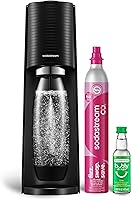
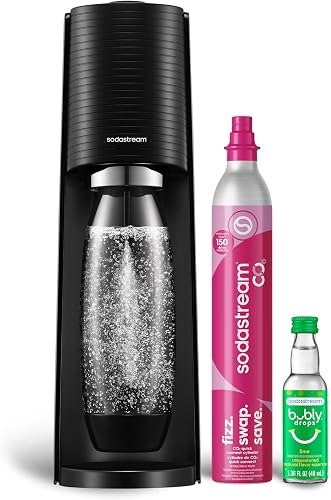
The SodaStream Terra Starter Kit includes the machine, a Quick Connect cylinder, a dishwasher-safe BPA-free bottle and bubly Lime Drop. That makes extra bottles and backup gas optional at the start.
SodaStream rates its 60L cylinder for up to 60 liters. Treat that as a ceiling, since your preferred fizz level affects how much gas each batch uses.
What goes into the packaged-seltzer cost?
Packaged seltzer costs include the drinks and any delivery charges, container deposits or extra shopping trips that apply. Subtract refundable deposits only when you actually return the containers.
Use the kind you normally buy as your benchmark. Comparing homemade plain water with premium flavored drinks can overstate savings if inexpensive plain seltzer would satisfy you.
Also count waste honestly. Compare the amount you drink, especially if opened large bottles often lose their fizz before you finish them.
How do you calculate your break-even point?
Your break-even point is when total home-carbonation savings cover the equipment. First confirm that home carbonation has a lower running cost, then work out how much use it takes to recover the upfront expense.
Write down these figures using your own costs:
- Packaged cost per liter: total drink cost divided by total liters.
- CO2 cost per liter: net exchange cost divided by actual liters made.
- Home running cost per liter: CO2, water and any flavor costs combined.
- Savings per liter: packaged cost minus home running cost.
- Break-even liters: upfront equipment cost divided by savings per liter.
If savings per liter are zero or negative, the machine has no financial break-even point under those assumptions. You might still prefer it for adjustable fizz or less grocery hauling.
Avoid counting the starter cylinder twice
Count the starter kit once, then charge later exchanges when you need them. Adding a separate gas charge for the included cylinder would overstate your starting cost.
For a simple first-year comparison, total the kit, extra equipment and replacement cylinders you expect to buy. Compare that with a year's packaged water at the same consumption level.
Use a realistic monthly volume
Base your estimate on a normal month, including days away from home. If you drink 20 liters monthly, the maximum rated cylinder output would cover 3 months, but stronger carbonation can shorten that interval.
Run a second estimate with lower cylinder output and fewer drinks per month. If the machine only looks worthwhile under your most optimistic assumptions, packaged water is the safer budget choice.
Who should choose a SodaStream Terra?
The Terra suits regular home drinkers who enjoy plain sparkling water and adjustable fizz. Choose it when you can keep drinking water chilled and exchange cylinders without a difficult trip.
Its hand-powered controls let you build carbonation through additional presses. That suits a household where one person wants light bubbles and another prefers a stronger drink.
The machine measures 7.9 inches deep, 5 inches wide and 17 inches tall. Check the space where you'll fill and attach the bottle, with room to reach the controls comfortably.
Skip the Terra if your main goal is to reproduce a particular bottled mineral water. Carbonation adds bubbles, but it doesn't recreate that water's mineral content or source.
It also isn't a complete answer for someone who mainly drinks away from home and wants disposable individual servings. You would need to carry and bring back a reusable bottle.
When is buying seltzer the better choice?
Packaged sparkling water fits occasional drinking, travel and ready-to-serve portions. It also suits anyone who values choosing among mineral waters or finished flavors more than adjusting carbonation.
Cans are practical for gatherings because guests can take a serving without sharing a carbonation bottle. For a large event, buying drinks can be easier than making and chilling several batches.
Choose packaged water if counter space is scarce or local cylinder exchanges are inconvenient. Keeping a machine in a cupboard may add enough setup work that you stop reaching for it.
Skip large multipacks if you're still learning which flavors you like. Try a smaller amount first, then buy in volume once you know you'll finish it.
For equipment choices beyond this comparison, see how to choose a sparkling water maker. Our SodaStream alternatives guide helps if you want home carbonation but need a different setup.
How does CO2 exchange affect the decision?
A usable CO2 exchange route is part of the buying decision, not a detail to solve after the machine arrives. Check nearby participating retailers or a mail-return option before committing.
The SodaStream CO2 exchange process explains the routine. Think about travel time, shipping steps and where you'll keep empties until you return them.
The SodaStream CO2 Refill, 2 Pink Cylinders suits an existing Terra household that wants reserve gas. It includes an exchange box and prepaid USPS label.
To receive the pack's Amazon gift-card benefit, return 2 eligible empty cylinders and register the return at SodaStream's gas exchange site. Count that benefit only if you'll complete the steps and use the credit.
Keep the return box somewhere accessible rather than treating it as waste packaging. A reminder after installing your last full cylinder can help you return empties before the next interruption.
Skip this refill pack if you haven't confirmed your machine's connection. Read SodaStream screw-in versus Quick Connect cylinders before ordering, since the cylinder name alone doesn't establish compatibility.
How should you set up and use the Terra?
Start with cold, plain drinking water and the correct fill line. Install the cylinder and attach the bottle according to the machine instructions before adding gas.
The Terra's cylinder clicks into its Quick Connect fitting, and the bottle snaps into place. Don't force either connection if it doesn't fit as expected.
A practical routine is:
- Chill water you already like drinking.
- Fill the compatible bottle to its marked water line.
- Attach it as directed and begin with lighter carbonation.
- Add further presses only until you reach your preferred fizz.
- Follow the release steps before removing the bottle.
- Add flavor afterward, then cap or serve.
Cold water generally accepts carbonation more readily than warm water. Keeping water chilled reduces the temptation to keep adding gas to a warm batch that doesn't meet your expectations.
Carbonate plain water before adding syrup, drops or citrus. Adding ingredients first can cause excessive foaming and send sticky liquid into places that are harder to clean.
See our guide to using the SodaStream Terra for setup details. The home water-carbonation guide covers the broader filling and fizz routine.
Do extra bottles make home carbonation easier?
Extra bottles help when chilling, drinking and washing overlap. Start with the included bottle and add more only when you can name the gap they would fill.
One bottle can hold cold plain water while another holds a finished drink. Separate bottles also let household members keep different flavors without mixing a large shared batch.
This twin pack contains 2 slim plastic bottles with a named capacity of 1 liter each. Use their marked carbonation fill lines rather than filling to the neck.
They fit Terra but aren't compatible with Aqua Fizz. Skip the pair if you need glass bottles or already struggle to finish one batch while it's fizzy.
Don't buy extras just to make the setup feel complete. Each bottle adds storage and care, and replacement needs belong in your long-term cost estimate.
How do bottle care and storage affect daily use?
Reusable bottles work best with prompt cleaning, secure caps and planned replacement. These tasks are small, but they matter when comparing home carbonation with opening a can.
Follow the care instructions on the actual bottle supplied to you. For the white twin pack, confirm those instructions before dishwasher use because the supplied care details conflict.
Rinse after use, especially after adding flavors, and wash as directed. Our SodaStream bottle-cleaning guide explains how to build cleaning into the routine.
Inspect bottles for damage and follow their marked replacement dates. Don't keep using a carbonation bottle just because it still holds water without leaking.
Cap finished sparkling water promptly and keep it chilled. Repeatedly opening a large bottle releases gas, so make amounts your household will finish rather than filling every spare bottle at once.
Home carbonation reduces the need to store unopened drink packs, but it still needs machine, bottle and cylinder space. Consider where those items will live before clearing a spot on the counter.
Which mistakes make the comparison misleading?
The biggest mistake is comparing different drinking habits. A machine can lower your cost per liter while increasing your total spending if you start drinking much more or adding extras to every batch.
Watch for these common errors:
- Assuming maximum output every time. Use actual cylinder output once you have it.
- Ignoring flavor costs. Compare plain with plain and flavored with flavored.
- Buying reserve equipment too soon. Extra bottles and cylinders delay cost recovery.
- Treating return credit as automatic. Include it only when you meet the requirements.
- Ignoring water taste. Bubbles won't remove a taste you already dislike.
- Forgetting drinks bought elsewhere. A home machine won't replace every café or travel drink.
You don't need to choose one option for every occasion. Home carbonation for daily meals and packaged cans for outings can fit better than trying to replace all purchased sparkling water.
SodaStream vs buying sparkling water: which should you choose?
Choose Terra for frequent home use when you like your drinking water, have easy CO2 access and can recover the equipment cost within the time you expect to use it. Choose packaged sparkling water for occasional servings, travel or a specific bottled-water taste.
Before buying, measure a normal week's consumption and check your local exchange route. Those two steps make the SodaStream vs buying sparkling water decision more reliable than assuming a machine will change your habits.
Buy the starter kit first if the numbers and routine fit. Add spare cylinders or bottles when daily use shows you need them.
Related reading
Use these guides to check long-term costs and refill logistics before buying equipment.
- How does the SodaStream CO2 exchange work?
- Is SodaStream worth it?
- Sparkling water maker cost: machine, CO2 and flavors
- How to choose a sparkling water maker
Frequently asked questions
Is SodaStream cheaper than buying sparkling water?
SodaStream can be cheaper when you drink enough to recover the machine cost and your ongoing cost per liter is lower than packaged seltzer. Compare equal volumes, include bottles and flavors you actually need, and use your real cylinder output rather than assuming every cylinder reaches its maximum.
How many bottles can one SodaStream CO2 cylinder make?
A SodaStream 60L cylinder is rated for up to 60 liters, so the number of batches depends on how much water you carbonate each time. Use the bottle's fill line rather than its named capacity, and track completed batches to estimate your own output and ongoing CO2 cost.
Does a SodaStream save money if I drink seltzer occasionally?
Buying packaged seltzer is usually the simpler choice for occasional use because you avoid the machine cost and refill routine. A SodaStream needs enough use to recover its upfront expense, so estimate your normal monthly consumption before buying equipment based on the idea that you might drink more.
Can you use tap water in a SodaStream?
Yes, the Terra carbonates fresh tap water, but carbonation does not filter it or remove an unwanted taste. Start with drinking water you already enjoy, chill it, and fill to the marked line; carbonate plain water first, then add flavor drops, syrup or citrus after removing the bottle.
How do you lower SodaStream CO2 costs?
Choose an exchange route you can use consistently and avoid wasting gas by chasing extra fizz with repeated presses. The two-cylinder Quick Connect pack includes return packaging and a prepaid USPS label; count its gift-card benefit only after returning 2 eligible empty cylinders and registering the return as required.